

How to manage frizzy hair effectively
Frizzy hair can be one of the most challenging hair issues to deal with. It often looks dry, unruly, and unmanageable, even if you invest time in styling. Frizz is caused by a variety of factors, including humidity, hair damage, genetics, and improper hair care. The good news is that with the right strategies, products, and routine, you can tame frizz and enjoy smoother, healthier hair. This article will guide you through effective ways to manage frizzy hair and keep it looking sleek and nourished.
1. Understand the Causes of Frizz
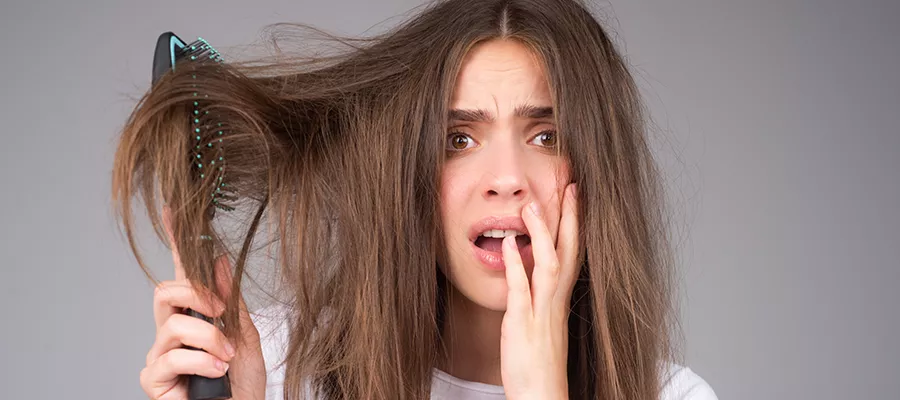
Before tackling frizz, it’s important to understand why it occurs. Hair becomes frizzy when the outer layer, known as the cuticle, is raised or damaged. This allows moisture to penetrate the hair shaft unevenly, causing strands to swell and appear frizzy. Common causes include:
- Humidity: Moist air causes hair to absorb water, swelling the hair shaft.
- Heat styling: Frequent use of blow dryers, straighteners, and curling irons can damage the cuticle.
- Chemical treatments: Hair coloring, perming, or relaxing can weaken hair and increase frizz.
- Lack of moisture: Dry hair is more prone to frizz.
- Rough handling: Over-brushing or towel-drying hair vigorously can disturb the cuticle.
Understanding the root cause will help you adopt the right strategies for frizz management.
2. Use Moisturizing Shampoos and Conditioners
Frizz often stems from dryness, so keeping hair hydrated is key. Choose sulfate-free shampoos, which are gentler and won’t strip natural oils from your hair. Pair your shampoo with a rich, nourishing conditioner that smooths the cuticle. Ingredients such as argan oil, shea butter, and coconut oil can lock in moisture and reduce frizz. Make it a habit to apply conditioner from the mid-length to the ends, avoiding the scalp to prevent greasiness.
3. Deep Condition Regularly
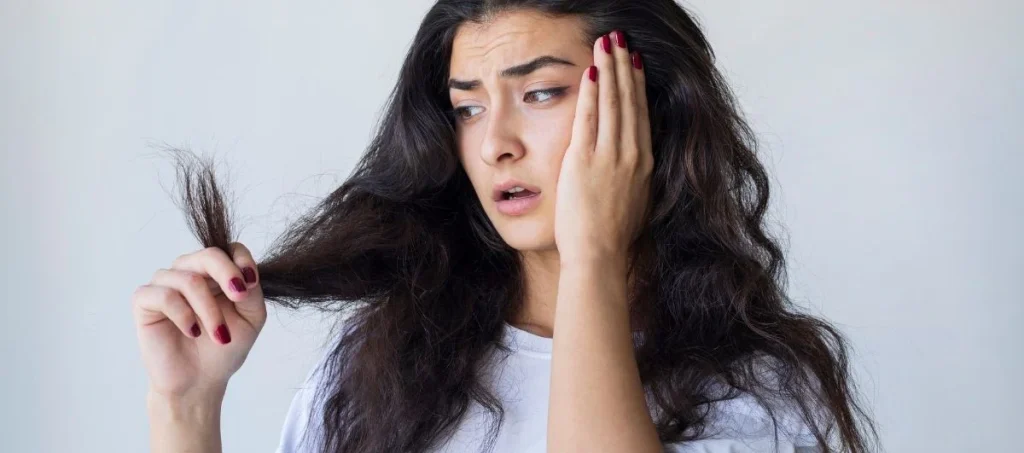
For hair prone to frizz, weekly deep conditioning treatments are essential. Deep conditioners penetrate the hair shaft more effectively than regular conditioners, repairing damage and replenishing moisture. Look for masks with proteins, natural oils, and humectants, which draw moisture into the hair. Leave the mask on for 15–30 minutes before rinsing to achieve smoother, softer strands.
4. Dry Hair Gently
How you dry your hair has a huge impact on frizz. Avoid rubbing your hair with a towel, which can roughen the cuticle. Instead, gently squeeze out excess water and wrap your hair in a microfiber towel or soft cotton T-shirt. If you use a blow dryer, use it on a low heat or cool setting and consider a diffuser for curly hair. Always keep the nozzle pointing downward to help smooth the cuticle.
5. Use Anti-Frizz Serums and Oils
Serums and oils are excellent for taming frizz and adding shine. Apply a few drops of argan, jojoba, or coconut oil to damp hair before styling. Anti-frizz serums can coat the hair shaft, locking in moisture and creating a protective barrier against humidity. Be careful not to overapply, as too much product can weigh hair down or make it look greasy.
6. Limit Heat Styling
Frequent heat styling is one of the main culprits behind frizz. Whenever possible, allow your hair to air-dry and embrace your natural texture. If you must use heat, always apply a heat protectant spray beforehand. This reduces damage to the cuticle and keeps your hair smoother over time.
7. Protect Hair from Environmental Factors
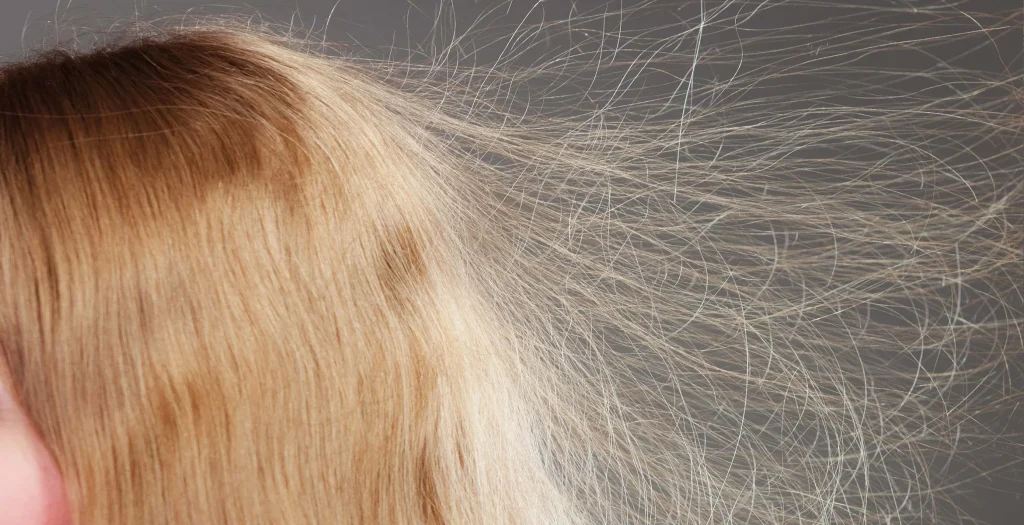
Sun, wind, and humidity can all exacerbate frizz. Wear hats or scarves when exposed to harsh weather, and consider leave-in conditioners with UV protection. On humid days, style your hair in braids, buns, or ponytails to prevent it from puffing up. For swimming, wet your hair and apply a protective oil before entering the pool to minimize damage from chlorine.
8. Choose the Right Hair Tools
The type of combs and brushes you use affects frizz. Use wide-tooth combs to detangle wet hair gently. Avoid fine-toothed combs or brushes with hard bristles that can break strands and lift the cuticle. Silk or satin pillowcases are also beneficial, reducing friction while you sleep and preventing frizz overnight.
9. Maintain a Healthy Diet and Hydration
Frizz is not just about external care; internal health matters too. Drinking plenty of water and consuming a balanced diet rich in vitamins and omega-3 fatty acids helps keep hair strong and hydrated from within. Foods like salmon, nuts, avocado, and leafy greens support hair health, contributing to smoother, more resilient strands.
Conclusion
Managing frizzy hair requires a combination of moisture, gentle handling, proper products, and protective styling. By understanding your hair type and adopting a consistent hair care routine, you can reduce frizz significantly and enjoy healthy, shiny hair. Remember, frizz is natural, but with patience and the right techniques, it can be tamed effectively.
